
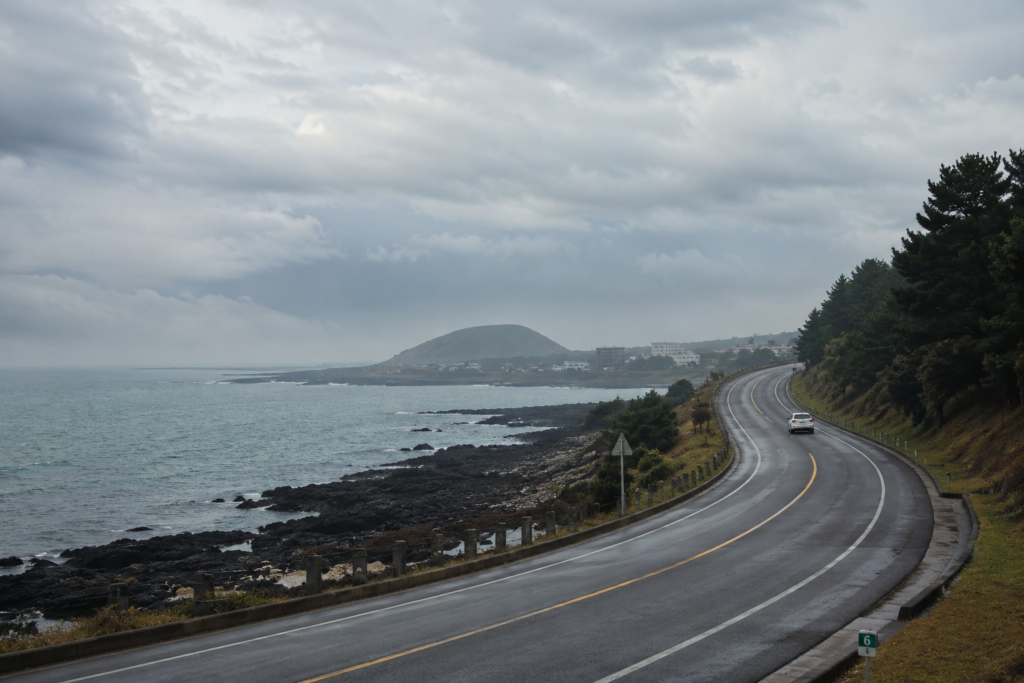
Jeju is usually introduced through a familiar set of images: blue water, volcanic coastlines and winding roads disappearing between fields of tangerine trees.
For overseas visitors, the island has long offered a quieter version of South Korea, with more space than Seoul and the freedom to rent a car, leave the city behind and spend a few days moving at your own pace.
That image remains intact. In recent weeks, though, another side of Jeju has entered the public conversation. A woman who disappeared in May was found dead 104 days later, while an investigation into the handling of her missing-person case uncovered serious failures inside the police response. Investigators then found that the same officer had improperly closed the case of a man in his sixties, who was later found dead.
The cases do not establish that Jeju is broadly unsafe for tourists. They do raise a less visible question about the systems travellers rely on without ever thinking about them: what happens when someone disappears, stops answering their phone or needs help far from the parts of the island most familiar to visitors? For a destination attracting more international travellers, including people travelling alone, those systems sit quietly beneath the experience.
A Missing-Person Case Began With a Failure of Trust
In May 2026, a 37-year-old woman disappeared in Jeju. Her family reported her missing, and the case was assigned to an officer working on the missing-persons team at Jeju Seobu Police Station.
According to the police investigation, the officer never established that she was safe. Instead, he falsely told the person who reported her disappearance that he had contacted the woman and that she did not want her whereabouts disclosed. The case was then closed, and her information was removed from the police missing-person profiling system. A false explanation was entered into the record.
Her body was found on August 24, 104 days after she disappeared. Police have said the cause of death has not been definitively established and that all possibilities remain under consideration. The circumstances of her death are therefore separate from the question of how her missing-person case was handled in the first place.
The concern exposed by the investigation is more specific: a system intended to determine whether someone was safe was, investigators say, deliberately supplied with information that was not true.
The Officer Had Also Closed Another Case
The investigation did not stop with the woman’s case.
In July, the same officer handled a report involving a man in his sixties. Investigators again found that the case had been improperly closed. The officer claimed to have made contact with the man, then later admitted that he had not. The man was found dead on August 22, after his case had been closed.
Police subsequently began reviewing every missing-person case personally handled by the officer.
There were 298 of them.
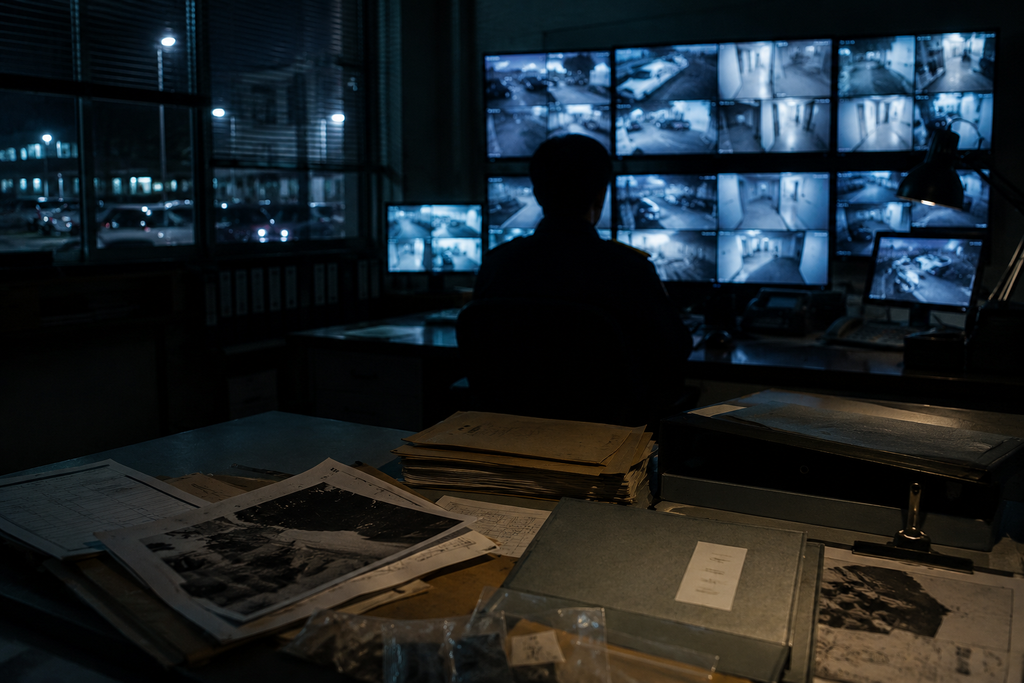
The officer had worked on the missing-person team from March 2025 to July 2026 and Police reviewed all 298 missing-person cases the officer had closed while serving on the team. On September 1, investigators said that, beyond the two cases already known, they had identified another 25 requiring investigation for suspected false closure or improper deletion of records. Ten involved cases in which the whereabouts of the missing person were allegedly never verified before the case was closed; those individuals were later confirmed safe. In 15 others, records had been deleted after the officer entered false reasons, including deaths that had not occurred in the circumstances recorded.
The officer was referred to prosecutors on charges including dereliction of duty and forgery. Police said he described his workload and the burden associated with leaving cases open as factors in his actions.
Why Does This Matter to Tourists?
Most travellers will never come anywhere near a missing-person investigation. A normal holiday runs on a quieter assumption: if something serious happens, the institutions around you will know how to respond.
That might mean a hotel contacting police, a rental-car company helping establish where a vehicle was taken, or CCTV footage providing a route that a person travelling alone could no longer explain. For visitors who do not speak Korean, the practical value of those systems is even greater. A language barrier can turn a straightforward request for help into a more complicated exchange at exactly the moment when time matters.
Jeju’s geography adds another layer. Visitors often rent cars, follow sections of the Olle Trail, drive along the coast or stay outside the island’s main tourist centres. The same independence that makes those trips appealing can make a disappearance harder to recognise and a search harder to organise once someone is no longer where they were expected to be.
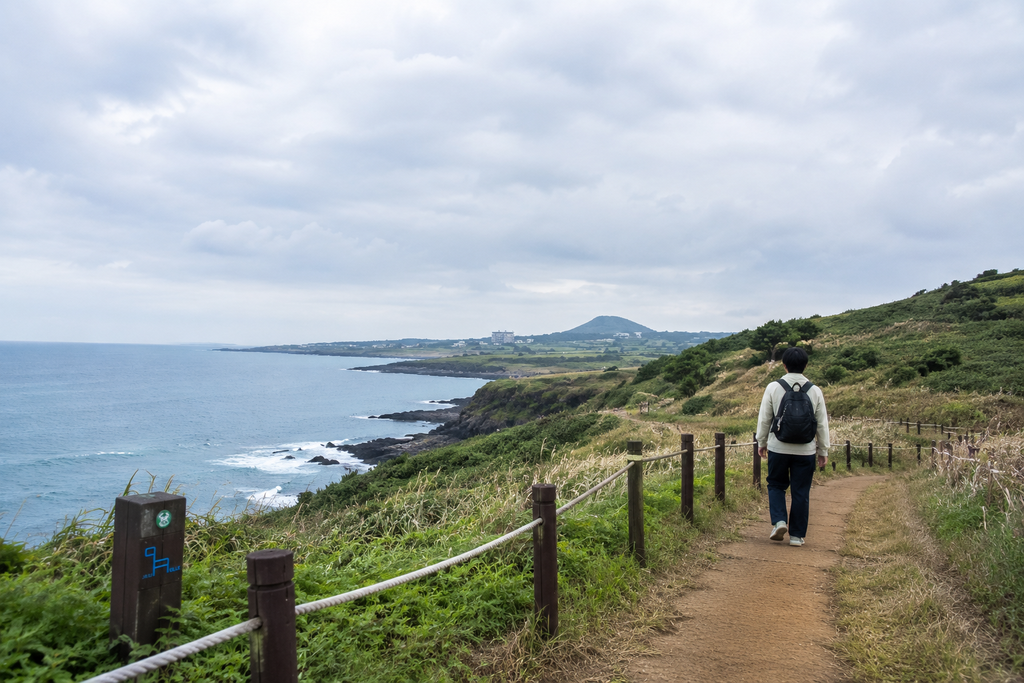
This does not make foreign visitors uniquely vulnerable, nor does it suggest that people should avoid travelling alone in Jeju. It does mean that reliable emergency and missing-person systems carry particular weight on an island where tourism is built around moving freely through a large and varied landscape.
The timing is notable. Jeju is also trying to expand its international tourism base. On September 3, the provincial government announced plans to diversify overseas markets, advertise at Singapore Changi Airport, develop transit-tourism products and attract higher-spending international travellers through partnerships with luxury travel networks.
The visitor numbers are moving in the same direction. The Jeju Tourism Association recorded 1.2 million foreign arrivals in the first seven months of 2026, an 18.6 per cent increase from the same period in 2025.
More people are being encouraged to discover the island on their own terms. The systems behind that freedom have to be able to keep up.
Jeju Is Changing How It Responds
The provincial government announced a series of measures after the case became public, with CCTV retention among the clearest areas of concern.
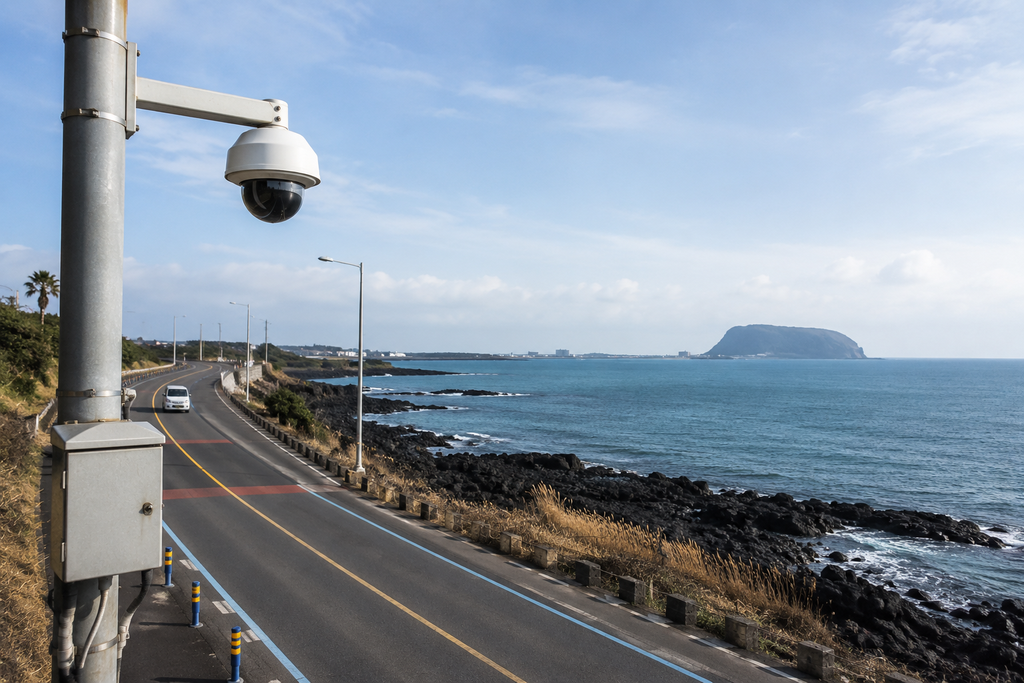
Jeju currently plans to extend the retention period for public CCTV footage from 30 days to at least 60 days, giving investigators more time to retrieve evidence when a disappearance is reported late. The island has also announced a joint missing-person response structure involving police, firefighters and the coast guard, while planning to expand AI-enabled CCTV coverage from 58 per cent to 75 per cent.
Patrols are being strengthened around places where visitors naturally spend time outdoors, including Olle trails and coastal areas. The broader approach is aimed at bringing several agencies into the response rather than leaving missing-person cases within one part of the public-safety system.
Jeju’s terrain makes that coordination practical rather than theoretical. Urban districts sit alongside forests, farmland, volcanic terrain, coastline and long stretches of relatively isolated road. A search that begins after a delay may become considerably more difficult with every passing day.
CCTV retention illustrates the problem neatly. Families do not always recognise immediately that a disappearance is taking place, and authorities may not know where to look when a report first arrives. Having another month of footage available can make the difference between a fragmented trail and a usable one.
A Bigger Tourism Island Needs a Bigger Safety Net
Jeju has been receiving international visitors for years, but the audience is changing in both size and behaviour.
1.2 Million Foreign Visitors
Jeju recorded 1.2 million foreign arrivals in the first seven months of 2026, up 18.6 per cent from the same period a year earlier.
South Korea welcomed more than 10 million foreign visitors during the first half of 2026, reaching the milestone earlier than ever before. Officials have also pointed to a broader distribution of international travellers beyond Seoul and the capital region.
Jeju fits neatly into that movement. It offers space, nature and an itinerary that does not have to revolve around an urban centre. For travellers looking beyond Seoul, the appeal is obvious.
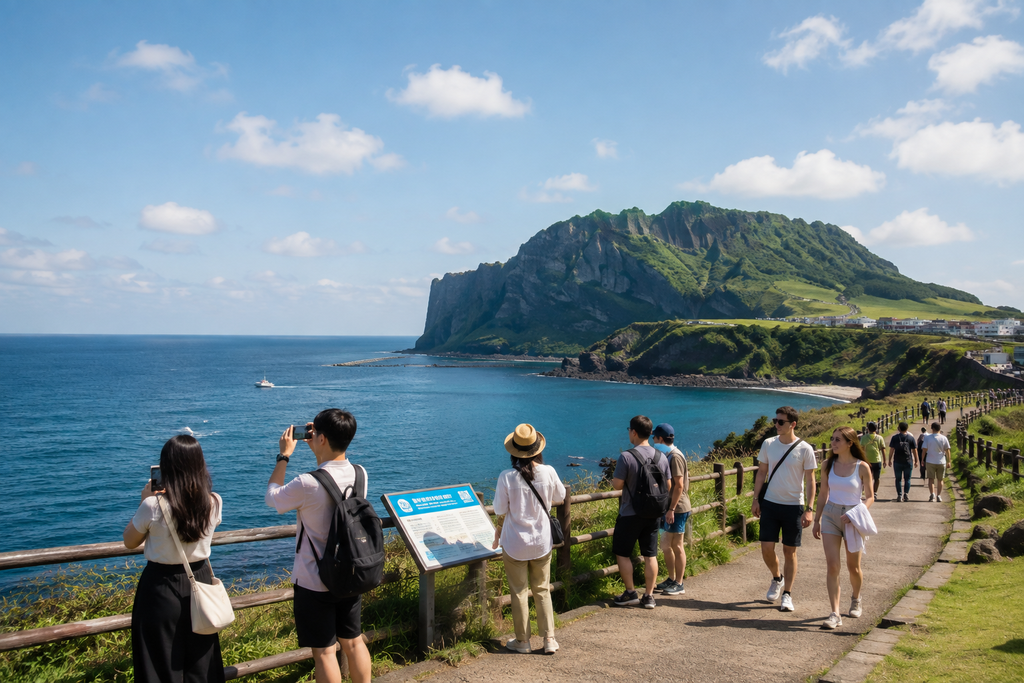
The experience also comes with a different set of practical conditions. In central Seoul, a traveller is rarely far from other people, businesses or public transport. On Jeju, a coastal road can empty out quickly. A rental car can carry someone well beyond the places most familiar to international visitors. A hiking route can begin near a village and become isolated within a relatively short distance.
Turning the island into a controlled tourist environment would miss the point. The challenge is to maintain the freedom that draws visitors there while ensuring that the public-safety network is built for the same geography.
Is Jeju Actually Unsafe?
After a case like this, it is tempting to reduce the story to a simple warning: Jeju is dangerous.
The evidence does not support that conclusion.
The police investigation is centred on the conduct of an individual officer and the supervisory systems around him. Four officials in the relevant command structure were also placed on standby pending a separate inspection of supervisory responsibility, indicating that the authorities are looking beyond the officer’s individual actions.
Police have not presented the two deaths as evidence of a broader threat to tourists. The circumstances of the woman’s death remain under investigation. The additional cases uncovered in the review include people who were eventually confirmed safe as well as cases in which records were improperly altered.
The more useful question, then, is narrower. When something goes wrong, can the systems responsible for responding to it be trusted to work as intended?
That question reaches beyond a single officer. It also reaches beyond tourism.
What Foreign Visitors Should Know
For most travellers, the practical response is not to cancel a trip to Jeju. It is to take the ordinary precautions that make independent travel easier when unfamiliar terrain and long distances are involved.
Keep accommodation details and your itinerary accessible. When renting a car, tell someone you trust where you are heading if you plan to travel through less populated areas. Save emergency contact information before leaving your accommodation rather than trying to locate it after a problem has already begun.
Language can become another practical variable. A translation app is useful for everyday situations, but important addresses are worth keeping written in Korean as well. Being able to show a location to a driver, hotel employee or emergency responder without relying entirely on spoken explanation can save time.
Hiking requires the same degree of preparation. Jeju’s trails are among the island’s main attractions, but a route appearing on a tourist map does not mean every section is equally busy or equally simple to navigate. Weather, terrain and daylight can alter the conditions quickly.
None of these precautions is dramatic. Most trips will never require them. That is precisely what makes them easy to overlook.
The Question Is Not Whether Jeju Is Safe
Jeju is still an island of volcanic stone walls, coastal walks, tangerine farms and long drives with the windows open. The qualities that draw international visitors have not disappeared because of one deeply troubling police investigation.
What has changed is the attention being paid to the infrastructure underneath those experiences. The missing-person cases exposed failures that should not have happened and prompted the province to look more closely at how agencies share information, preserve evidence and respond when a person cannot be found.
Jeju is also asking more international travellers to explore independently, often by car, on foot and far from the island’s busiest districts. That makes the less visible parts of the visitor experience — the CCTV above a road, the emergency number saved in a phone, the coordination between agencies — harder to treat as background details.
Most travellers will never notice those systems.
That is how they are supposed to work.