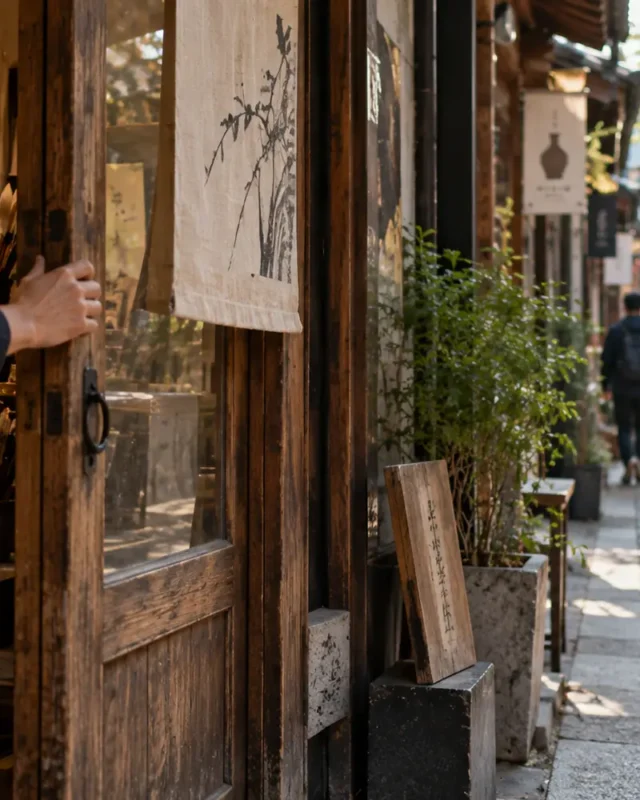
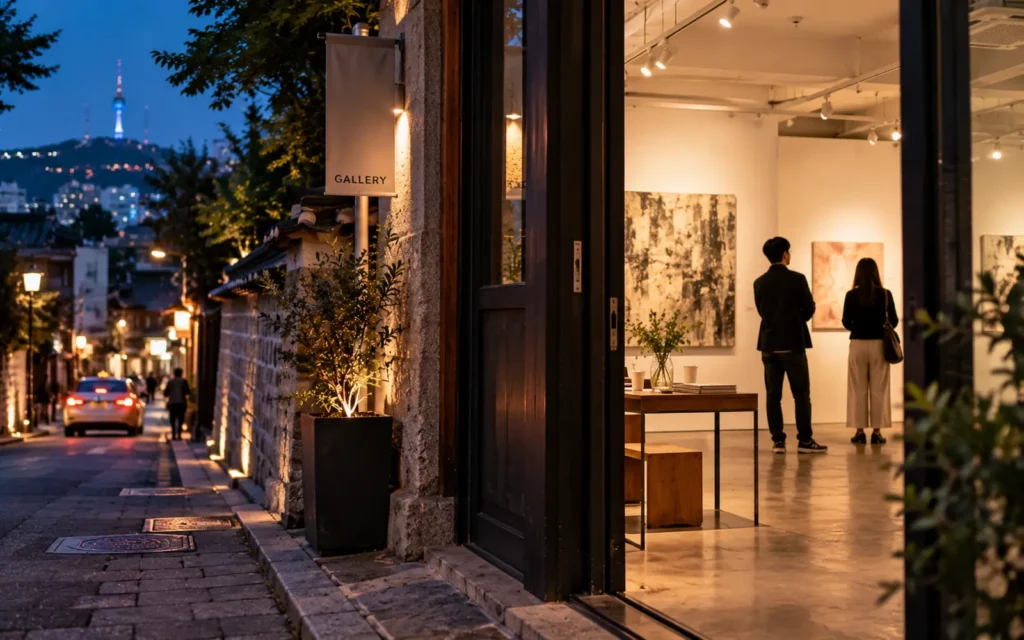
A gallery door in Samcheong-dong stays open long after the neighbouring cafés have begun stacking chairs
Inside, a visitor leans towards a painting while someone behind the desk pours sparkling water into paper cups. Outside, taxis stop and start beneath the stone walls of Gyeongbokgung, and another group walks uphill with a map of exhibitions folded into quarters.
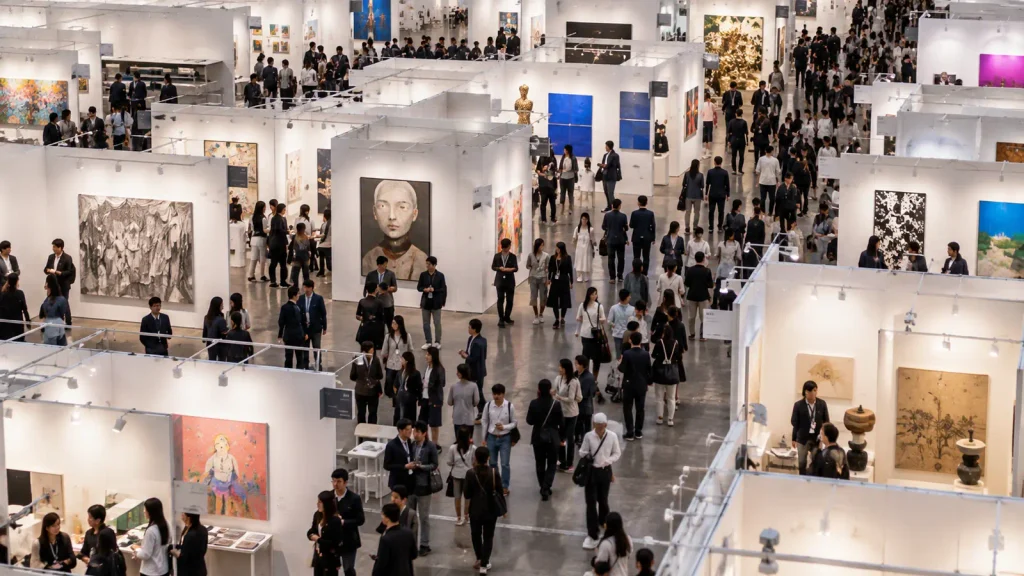
A few kilometres south, the mood changes. In Hannam, people spill from white-walled galleries into narrow streets lined with restaurants and fashion stores. Across the river at COEX, collectors, advisers and dealers move through rows of booths under convention-centre lighting.
For one week each September, Seoul’s art world becomes unusually easy to see. Frieze Seoul and Kiaf bring the international market into the same city at the same time; galleries extend their hours, museums schedule major exhibitions and neighbourhoods acquire their own evening circuits. The concentration can make Seoul’s rise look sudden.
It was not. Kiaf began in 2002. The National Museum of Modern and Contemporary Art opened its Seoul branch in 2013. Korean galleries, collectors, artists and institutions spent decades building an ecosystem before Frieze launched its first Asian fair here in 2022. The arrival of the global art market did not create Seoul’s art scene. It gave the rest of the art world a reason to study what had already accumulated.
The City Was Already Hanging Pictures
Long before international collectors began scheduling Seoul into their September calendars, the city had developed several art worlds at once.
Samcheong-dong and the streets around Gyeongbokgung gathered established galleries near museums, hanok neighbourhoods and the old political centre. Further south, Cheongdam folded contemporary art into one of Seoul’s wealthiest retail districts. Hannam later added another cluster, drawing galleries into a neighbourhood already shaped by architecture, restaurants, fashion and affluent residents. Smaller spaces surfaced elsewhere, often working with younger artists and audiences less attached to the rituals of the traditional gallery.
Public institutions thickened the map. MMCA Seoul opened in Sogyeok-dong in November 2013, placing a major national museum in the middle of the capital rather than on its outskirts. Its galleries, project spaces, theatre and multipurpose halls were conceived around Korean art in conversation with wider contemporary practice, adding institutional weight to a district that already had private galleries nearby.
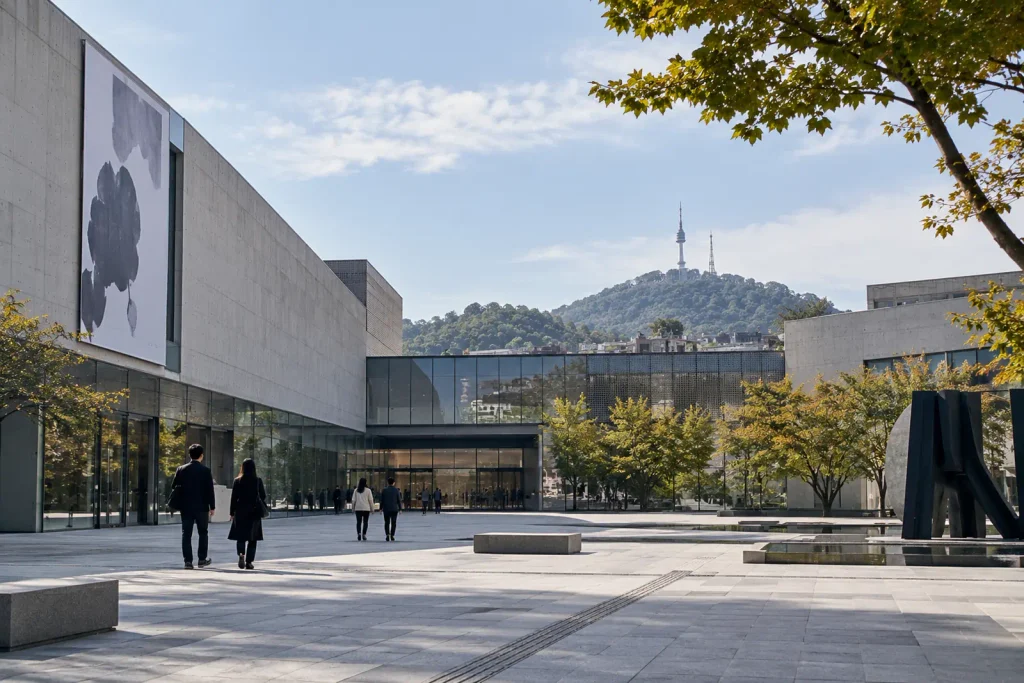
Kiaf supplied another piece. Launched in 2002 by the Galleries Association of Korea, it gave Korean galleries an annual marketplace with international participation years before Frieze announced Seoul as its Asian base.
The infrastructure did not appear in one burst. Museum by museum, gallery by gallery, the city became dense enough that a visitor could move through several different versions of the Korean art world in a single afternoon.
Then Frieze Put Seoul on the Calendar
When Frieze announced in 2021 that it would launch a Seoul fair the following year, it chose the city for its first fair in Asia.
The inaugural 2022 edition brought more than 110 galleries from 20 countries to COEX and ran alongside Kiaf. By 2026, the fifth edition had expanded to more than 130 galleries from 30 countries and regions. Ahead of the fair, Frieze reported that more than 70 percent of participating galleries were based in the Asia-Pacific region and more than 50 exhibitors already operated permanent spaces in Seoul.
70,000+ VISITORS
Frieze Seoul 2026 drew more than 70,000 attendees from 54 countries and regions. Representatives from 178 museums and institutions across 25 countries and regions also attended.
That last figure says more than the temporary booths.
An art fair can bring foreign galleries into a city for four days. A permanent gallery signs a lease, hires staff, builds relationships with collectors, schedules exhibitions and starts thinking in years rather than weekends. When dozens of Frieze exhibitors maintain Seoul locations, the city stops functioning solely as an event destination and begins behaving like part of the market’s permanent geography.
Frieze Week has also spread beyond COEX. In 2026, late-night programmes moved through Euljiro, Hannam, Cheongdam and Samcheong, while public art, film, music and talks pushed the fair into spaces around the city. The convention hall supplied the centre of gravity; Seoul supplied the rest of the experience.
The Money Tells a Less Convenient Story
Global attention can create the impression of a market climbing in a straight line. Korea’s numbers resist that version.
The country’s art market went through a rapid post-pandemic expansion, peaked, then entered a period of adjustment. After declines in 2023 and 2024, total artwork transactions by value rebounded to roughly 638.2 billion won in 2025, up about 3.8 percent from the previous year. The number of works traded fell around 3.1 percent to 42,499. More money changed hands across fewer works.
Galleries remained the centre of the distribution market. They accounted for approximately 352.8 billion won in transactions in 2025, around 70 percent of the value recorded across galleries, auctions and art fairs. The same survey counted 922 galleries, even as employment in the sector contracted.
Those figures complicate the language of a boom. Seoul can attract international galleries and a major global fair while buyers become more selective. Prestige can rise while transaction volume softens. A city’s cultural position and the temperature of its market do not always move together.
That tension may actually make Seoul more interesting. A speculative surge can disappear as quickly as it arrives. A city capable of keeping museums, galleries, artists, fairs and collectors in conversation through a slower market has something sturdier to prove.
Four Neighbourhoods, Four Versions of the Same City
Seoul’s size would seem inconvenient for an art capital. Its major districts sit far apart, often separated by the river, traffic and a subway journey.
During art week, the distance starts working differently.
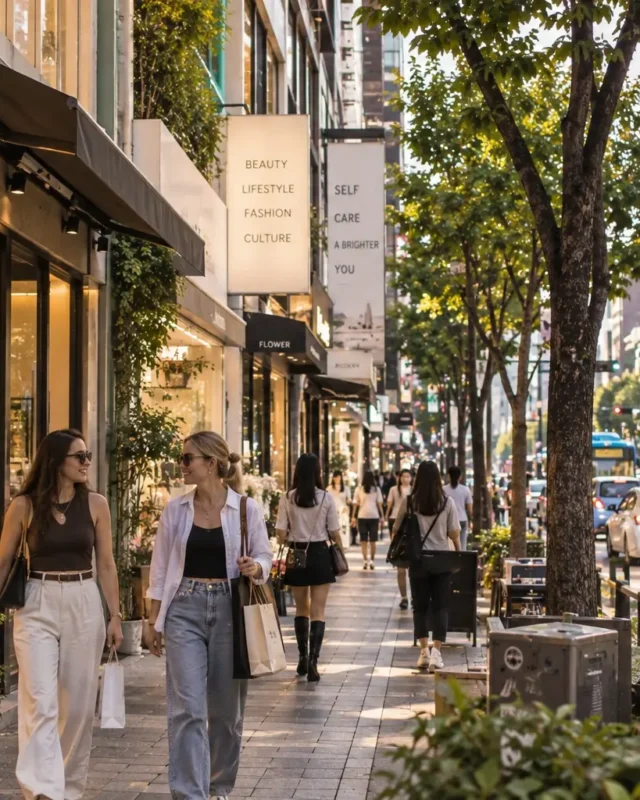
Samcheong carries institutional gravity. Galleries sit near MMCA Seoul, Gyeongbokgung and older neighbourhoods, so contemporary work shares the street with stone walls, tiled roofs and government buildings. Hannam feels less ceremonial: art, design, fashion and dining overlap inside a compact neighbourhood where a gallery visit can bleed into an evening out.
Cheongdam places art beside luxury retail and private wealth. Euljiro offers another register entirely, its workshops, aging commercial buildings and younger cultural spaces resisting the polished surfaces found further south.
Frieze’s 2026 Neighborhood Nights deliberately moved through these four districts on different evenings. The programme formalised something Seoul already does well: it refuses to compress its art scene into one district. The inconvenience forces visitors to see the city between exhibitions.
A taxi ride becomes part of the fair.
Korean Art Travels in the Other Direction
Seoul’s rise would mean less if the traffic only flowed inward.
Korean artists have spent decades moving outward through biennales, museums, galleries and auctions, though the pace of international attention has varied by generation and medium. Older figures associated with Korean modernism and Dansaekhwa found renewed global audiences; contemporary Korean artists now move through an international system that treats Seoul as one of their bases rather than merely their point of origin.
Auction data gives part of that movement a price tag. From January through November 2025, Christie’s, Sotheby’s and Phillips offered 115 works by Korean artists internationally. Ninety-eight sold, producing an 85.2 percent sell-through rate and about 38.79 billion won in sales — roughly 69 percent above the comparable 2024 figure. Kim Whanki and Lee Ufan accounted for particularly large totals.
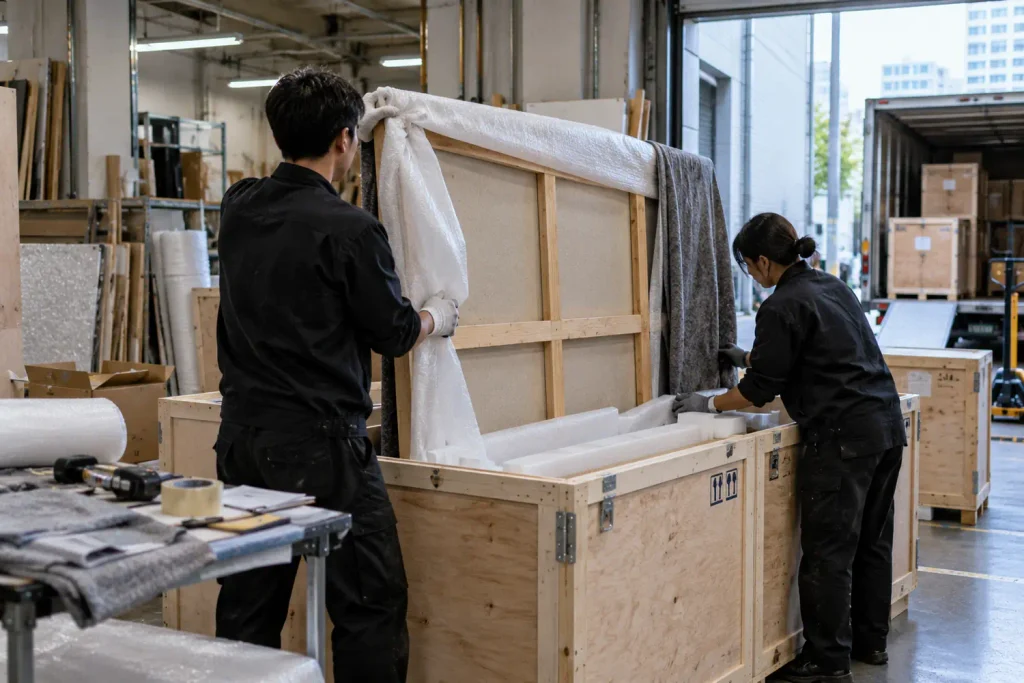
The figures skew towards established names, and the domestic market itself remains selective. They still expose a change in direction. International buyers no longer need to encounter Korean art only after it reaches New York, London or Hong Kong. They can arrive in Seoul and see established masters, younger galleries, museum exhibitions and new work within the same week.
The old route sent Korean artists abroad in search of international visibility. The newer route also brings part of the international art world to their home city.
Culture Made the Flight Easier
Contemporary art did not rise in isolation from the rest of Seoul.
Over the past decade, foreign audiences have grown accustomed to looking towards Korea for music, cinema, television, fashion, beauty and design. Fine art occupies a much smaller audience than any hit series or K-pop tour, and the economics are entirely different. The shared effect lies elsewhere: Seoul no longer needs a lengthy introduction as a cultural producer.
That familiarity lowers a psychological barrier. A collector flying in for an art fair arrives in a city already associated with creative industries. A gallery opening can sit beside a fashion event without either feeling misplaced. Architecture, restaurants, retail and hospitality become part of the journey, even though none belongs formally to the art market.
Frieze’s decision to build citywide programming reflects that overlap. The 2026 edition stretched into public art, film, music and talks, while the broader Korea Art Festival linked Seoul’s fairs to biennales and art events elsewhere in the country.
Seoul sells no single image of itself here. The attraction lies in density: enough cultural industries operating close together that visitors can move between them without leaving the same urban conversation.
An Art Capital Still Has to Survive Tuesday
The phrase art capital invites comparison with cities that have accumulated museums, auction houses, collectors and commercial galleries over generations.
Seoul’s claim looks different.
Its international fair arrived only in 2022. The Korean market remains smaller than the world’s dominant centres and has already demonstrated how quickly sentiment can turn. In 2025, sales values recovered modestly while transaction volumes continued to fall; first-half 2026 auction analysis likewise described improvement alongside buyers concentrating heavily on proven, higher-value works.
A city cannot sustain an art scene on four crowded September days. Artists need studios when the collectors leave. Smaller galleries need audiences outside fair week. Museums need ambitious programming that does not depend on market fashion. Emerging artists need buyers willing to take risks, rather than a system that circulates money among familiar names.
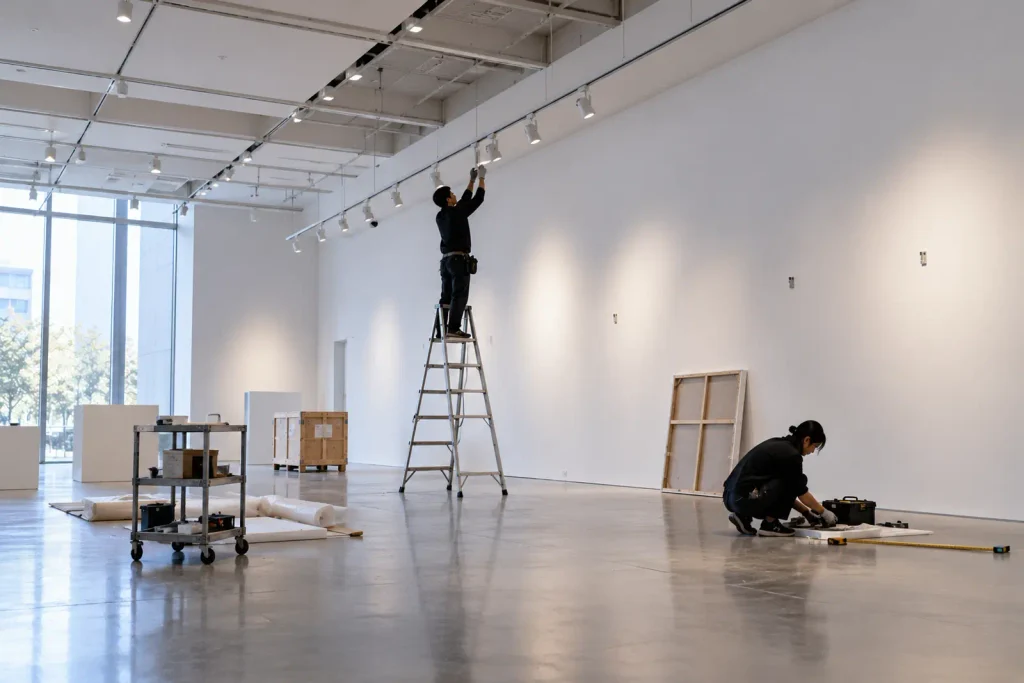
Seoul now possesses much of the machinery: public museums, longstanding domestic galleries, younger spaces, collectors, fairs, international branches and a growing global audience. The harder work happens when no one is announcing an opening.
After the Wristbands Come Off
A few days after Frieze Week, Samcheong-dong grows quieter.
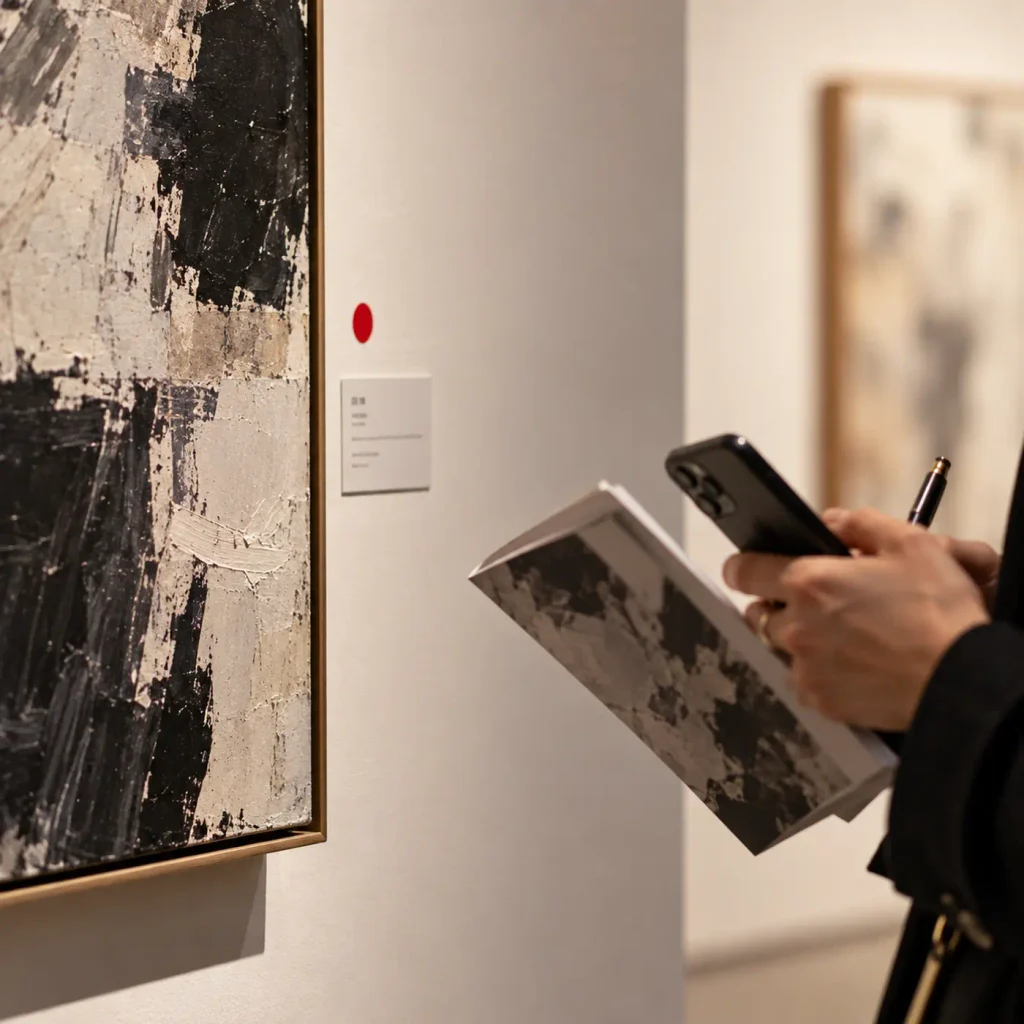
The black cars are fewer. Gallery doors close at ordinary hours again. Inside one white room, an assistant removes a small vinyl title from the wall while another person carries empty glasses towards the back.
Outside, a man stops at the window.
He does not have a fair pass around his neck. He looks through the glass for a few seconds, steps closer to read the artist’s name, then reaches for the door.