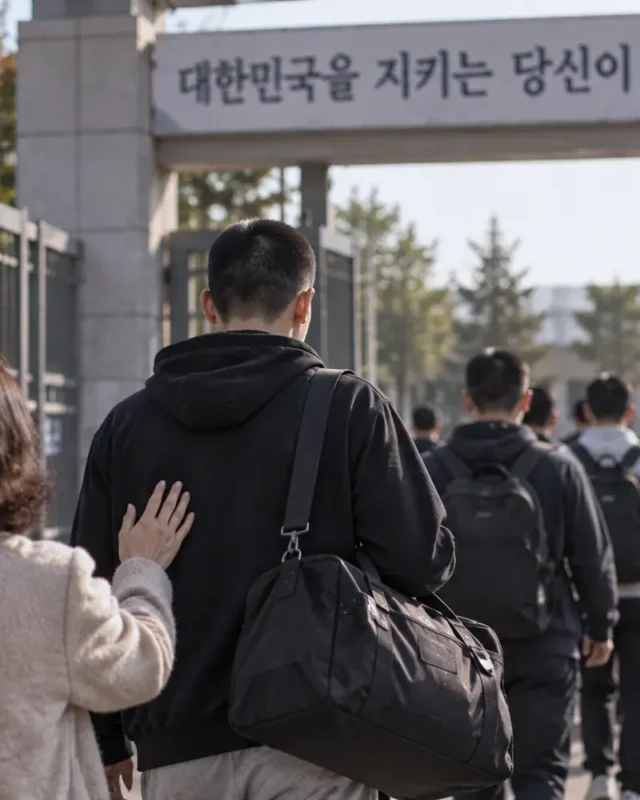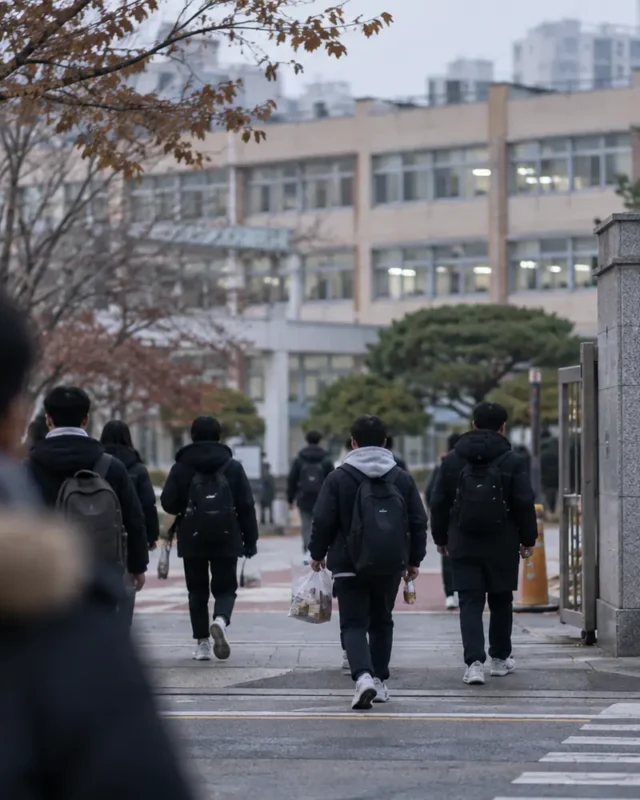
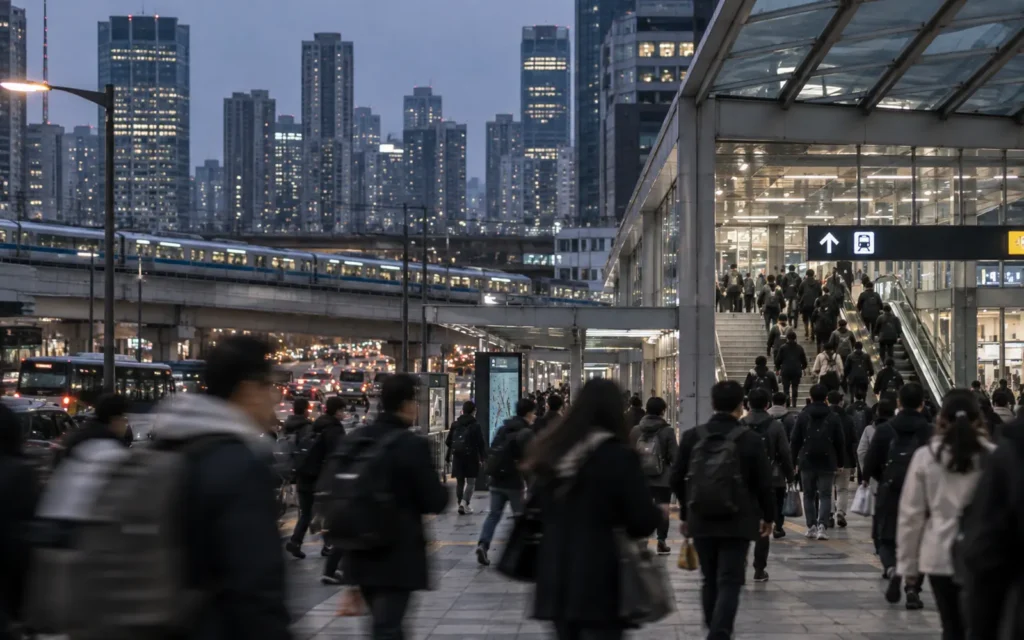
At the end of a Friday evening in Seoul, the platforms fill before the trains arrive.
Office workers stand shoulder to shoulder beneath station signs, students weave through them with backpacks still on, and someone checks a phone for the fastest route home.
Beyond the city centre, the same network keeps extending into Gyeonggi Province and Incheon. Apartment towers rise around stations built to move people towards the capital.
The direction of the pull is less obvious than it sounds. Seoul itself has recorded internal population outflows in recent years, while Gyeonggi and Incheon have repeatedly gained residents. The city has stretched beyond its administrative borders without loosening its grip. The Seoul Metropolitan Area occupies only 11.8 per cent of South Korea’s land, yet held about 50.6 per cent of the national population and roughly 53 per cent of GDP in 2020. OECD estimates put more than half of the country’s population in the region, with the gap expected to widen as other areas shrink.
The concentration did not arrive through one policy or one generation. Industrialisation, universities, corporations, infrastructure and migration kept adding weight to the same place until moving towards Seoul became less a single decision than a sequence of practical ones.
The City Outgrew the City Limits
Seoul’s influence starts with a geographic complication: Seoul does not contain all of Seoul.
The metropolitan area stretches across Seoul, Incheon and Gyeonggi-do, connected by roads, commuter rail, buses and an enormous daily flow of workers and students. Someone can live well outside Seoul’s municipal boundary and still organise a career, education, shopping and social life around the capital.
The migration figures make the distinction visible. In 2024, the Seoul Capital Area recorded a net inflow of about 45,000 people, even as Seoul itself often lost residents to surrounding areas. Housing accounted for 34.5 per cent of stated reasons for internal migration nationwide, followed by family at 24.7 per cent and employment at 21.7 per cent.
The map looks less like a funnel ending in central Seoul than a series of rings around a powerful centre. People can leave Seoul without leaving the Seoul economy.
First Came the Jobs
During South Korea’s rapid industrialisation, economic activity accumulated around the capital even as manufacturing developed elsewhere. Seoul gathered government offices, universities, financial institutions and corporate headquarters; the surrounding region absorbed factories, logistics, offices and housing.
That concentration continued into the service economy. OECD data recorded the Seoul Capital Area’s share of high-skilled employment at 48.8 per cent in 2021, compared with 42 per cent nationally. In Seoul, high-value-added services accounted for 21.6 per cent of regional employment, substantially higher than in other Korean regions.
A young graduate does not need to believe every good job sits in Seoul. More firms create more openings. More employers create more opportunities to change jobs without leaving the region.
Companies want skilled workers. Workers want employers. Students choose universities near those opportunities. The pieces reinforce one another.
Universities Pull on the Same Rope
Education adds another layer to the concentration.
Many of South Korea’s most prestigious universities sit in or around Seoul, including the three institutions known collectively as SKY: Seoul National University, Korea University and Yonsei University. A student arriving from another region can move to the capital for university and find that the professional networks surrounding campus point in the same direction.
Research and innovation follow a similar pattern. Seoul and the wider capital region place universities, companies, investors and public institutions in close proximity, even as other cities maintain important specialist clusters of their own. Daejeon has research institutions; Busan remains a major industrial and logistics centre; Ulsan anchors heavy industry; Gumi and Pohang retain long manufacturing traditions.
The concentration does not have to be absolute to influence a decision.
A university can provide access to internships, alumni networks, professional events and nearby employers. Four years of education can quietly become the first step towards a career that eventually remains in the same metropolitan region.
Then the Infrastructure Followed
Look at a Seoul subway map and the metropolitan economy starts to resemble an electrical circuit.
Lines reach deep into Gyeonggi. Airport rail connects the capital to Incheon. Express buses run between satellite cities and business districts. New towns place large apartment complexes around transport corridors, allowing households to live farther from the centre while keeping access to it.
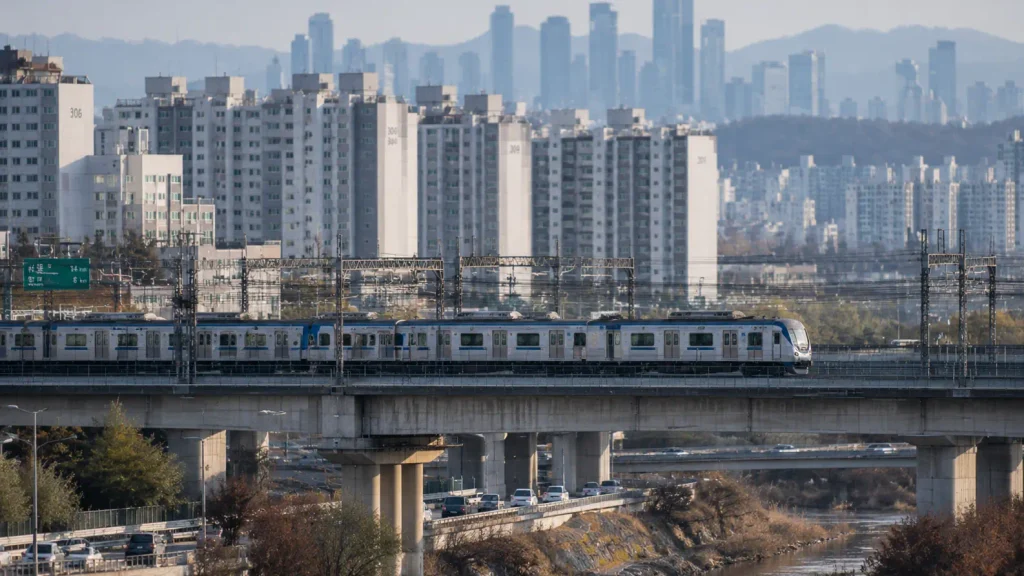
OECD describes the Seoul Metropolitan Area as one of Korea’s most concentrated urban zones, supported by dense transport infrastructure that connects residents with jobs and services. The same concentration brings congestion, housing pressures and environmental costs.
That trade-off produces a familiar arrangement: a family moves outside Seoul for a larger or more affordable apartment without really leaving the capital’s orbit. A commuter can spend an hour or more travelling into Seoul and still regard it as their working city.
Distance changes.
Dependence does not.
The Apartment Tower Moves Outward
Housing has helped redraw Seoul’s geography without weakening its position.
As housing and land costs rose, families moved towards Gyeonggi-do and Incheon, where large residential developments could offer more space alongside new transport and commercial infrastructure. Population followed those corridors.
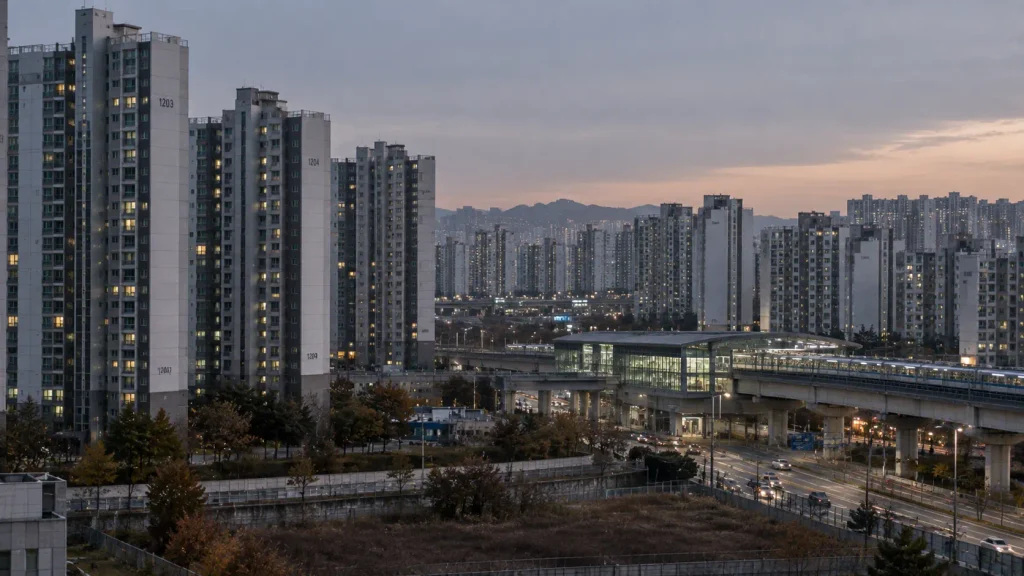
In November 2025, Gyeonggi gained 2,789 people through net migration and Incheon gained 1,902, while Seoul recorded a net outflow of 5,504.
From central Seoul, those figures can look like a loss.
From the wider region, they look different.
A household leaves a Seoul apartment, drives towards a new town, shops near home and catches a train into the capital the next morning. The address changes.
The economic geography barely does.
Why Don’t Other Cities Pull as Hard?
South Korea has other centres of gravity.
Busan remains a major port and industrial city. Daejeon combines government, research and science. Ulsan anchors one of the country’s major industrial clusters. Gwangju, Daegu, Jeonju and other regional cities maintain strong local economies, universities and cultural identities.
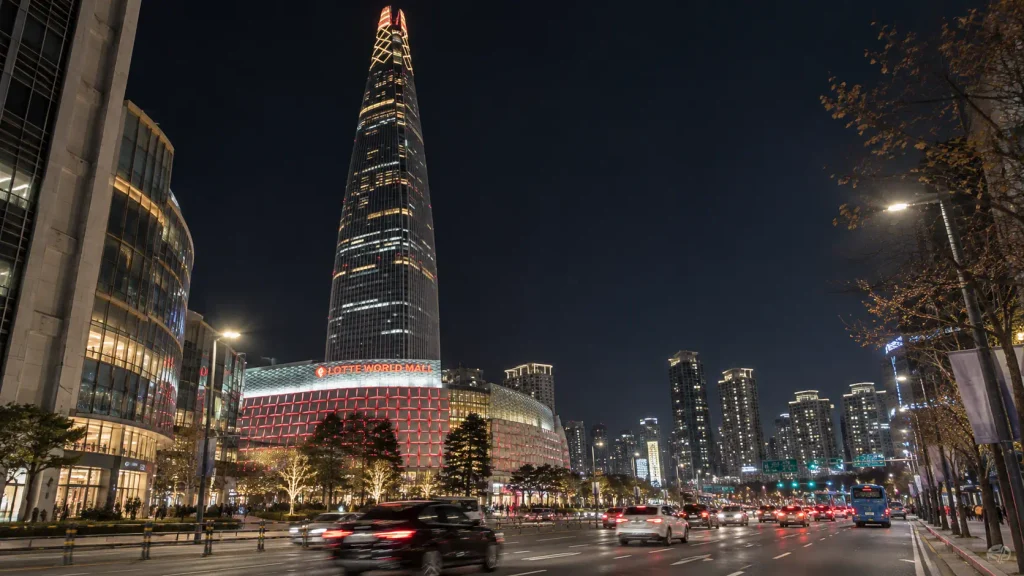
The difficulty lies in breadth.
A specialised industrial city can offer excellent opportunities within one field. Seoul offers several at once: finance beside media, consulting beside government, fashion beside technology, hospitals beside universities and cultural organisations beside multinational companies.
Someone who changes industries can often remain inside the same metropolitan labour market.
OECD analysis notes that employment differences between Korean regions are narrower than in many OECD countries, while high-value-added jobs remain heavily concentrated in the Seoul region. Regional economies can function well without offering the same range of professional choices.
For someone deciding where to spend their twenties, variety can outweigh attachment to a hometown.
The Pull Has a Demographic Side
The pattern looks harsher when viewed from shrinking regions.
South Korea’s population peaked in 2020 and has entered a period of rapid ageing and decline. Smaller cities and rural areas face some of the steepest losses, while migration continues to favour the Seoul Capital Area. OECD projections suggest the population outside the capital region could fall to around 23.9 million by 2040 while the capital region remains around 26 million.
The arithmetic feeds back into itself.
A smaller population makes it harder for a regional university to fill classrooms, for hospitals to sustain specialist services and for towns to support the same range of businesses and cultural venues. Young residents leave for education and employment; fewer remain to replace them.
Seoul does not need to absorb everyone.
A steady stream of twenty-year-olds is enough.
The Cost of Being Close
Concentration brings obvious advantages. Dense cities support public transport, specialist hospitals, universities, restaurants, cultural institutions and large labour markets. A job change can mean crossing town rather than moving across the country.
The same density pushes costs upward.
Housing remains a major pressure across the capital region. Long commutes consume time. Regional governments struggle to retain younger residents while Seoul and its neighbours absorb more of the country’s economic and educational activity. OECD has pointed to the growing concentration of jobs and services in the Seoul Metropolitan Area and the need for stronger regional universities, public services and economic hubs elsewhere.
The contradiction is difficult to miss.
The concentration that makes Seoul efficient also makes life around it expensive, while making life elsewhere harder to sustain.
A Country That Keeps Moving Without Going Far
Some of the most revealing journeys are surprisingly short.
A student from a provincial city moves to Seoul for university. A few years later, a job takes them to an office in Gangnam. Rent pushes them towards Goyang or Suwon. Marriage brings another apartment. Children arrive, schools enter the equation and the household moves again.
The address changes several times without the family ever fully leaving the metropolitan system.
That pattern helps explain the peculiar shape of modern Korea. Seoul’s power no longer depends on keeping everyone inside the city proper. Its universities, companies, railways, roads and cultural institutions have stretched the meaning of the place far beyond the municipal boundary.
The country around Seoul has adapted to the pull as much as Seoul has created it.
The Last Train Out
Late at night, the platforms begin to empty.

The centre of Seoul grows quieter, but trains continue carrying people outward towards Gyeonggi, towards Incheon, towards apartment towers gathered around stations where the lights will stay on for another hour.
Someone sits beside the window, half asleep, watching office buildings give way to darker blocks of housing.
On the map, the capital gets smaller behind them.
The train keeps moving through its orbit.